

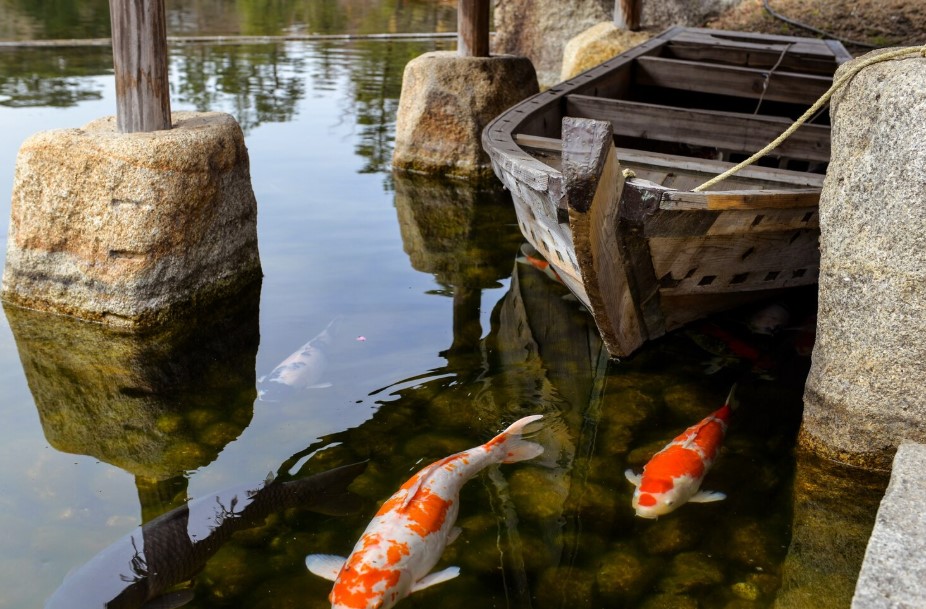
Keeping koi fish healthy, active, and vibrant requires more than just clean water and a spacious pond. Nutrition plays a major role in koi growth, coloration, immunity, and overall lifespan. Choosing the right food can make a significant difference in how your koi look and behave throughout the year. Among the many options available, hikari koi food is widely recognized by pond owners for its high-quality ingredients, balanced nutrition, and ability to support healthy koi development.
Whether you are a beginner koi keeper or an experienced pond enthusiast, understanding how to choose and feed koi food correctly can help your fish thrive. This complete guide explains the benefits of Hikari koi diets, feeding techniques, seasonal requirements, and how different Hikari products support koi health.
What Is Hikari Koi Food?
Hikari koi food is a premium koi fish diet designed specifically to meet the nutritional needs of ornamental pond fish. Manufactured using carefully selected ingredients, Hikari diets focus on providing balanced protein, essential vitamins, minerals, and nutrients that support growth, energy, digestion, and natural coloration.
Unlike generic fish foods that may contain fillers or low-quality ingredients, Hikari formulas are developed with scientific research and years of aquatic nutrition experience. These foods are available in different formulas based on koi size, age, water temperature, and specific health goals.
Koi require different nutritional support during different stages of life. Young koi need protein-rich food for growth, while adult koi benefit from balanced diets that maintain body shape and color. Choosing the right formula helps prevent nutritional deficiencies and keeps pond fish healthy.
Why Choose Hikari Koi Food for Your Pond Fish?
Selecting the right koi food is one of the most important decisions for maintaining a healthy pond ecosystem. Here are some key benefits of using Hikari diets:
1. Supports Healthy Growth
Koi fish need adequate protein and nutrients to develop strong bodies and maintain proper growth. Hikari formulas contain high-quality proteins that help support muscle development and healthy body structure.
For growing koi, a nutritious diet encourages steady growth without causing unnecessary stress on the digestive system. Feeding a balanced diet also helps koi maintain their natural shape and activity levels.
2. Enhances Natural Color Development
One of the biggest attractions of koi fish is their beautiful colors and patterns. Their appearance depends heavily on genetics, water quality, and nutrition.
Many Hikari formulas include ingredients rich in color-enhancing nutrients, such as spirulina and carotenoids, which help bring out vibrant reds, oranges, and yellows naturally. Consistent feeding with quality nutrition can help koi display their best coloration over time.
3. Improves Digestion
Poor-quality food can lead to digestive problems, cloudy water, and unhealthy fish. Hikari koi diets are designed to be easily digestible, allowing koi to absorb more nutrients while producing less waste.
Better digestion means:
-
Cleaner pond water
-
Reduced waste buildup
-
Improved nutrient absorption
-
Healthier fish behavior
Using a highly digestible diet is especially important for ponds with multiple koi where water quality can quickly decline.
4. Strengthens Immune Health
Healthy koi need strong immune systems to fight common pond-related challenges. Proper nutrition provides essential vitamins and minerals that support natural resistance against stress and disease.
A balanced diet combined with proper filtration and water maintenance creates the ideal environment for long-term koi health.
Different Types of Hikari Fish Food for Pond Owners
Hikari offers various diets designed for different fish needs. Understanding these options helps pond owners select the most suitable food.
Hikari Staple Food
Hikari Staple is a popular everyday diet designed for regular feeding. It provides balanced nutrition with essential proteins, vitamins, and minerals required for healthy maintenance.
This formula is suitable for many koi and pond fish, especially during warmer months when fish metabolism is higher.
Hikari Growth Food
Young koi require more protein and nutrients to support rapid development. Growth formulas provide additional nutrition to help juvenile koi build strong bodies.
This type of hikari fish food is ideal for koi owners who want to encourage healthy growth while maintaining proper digestion.
Hikari Color Enhancing Food
Color-enhancing diets are designed for koi owners who want to improve the brightness and intensity of their fish’s natural colors.
These formulas typically contain ingredients that support pigmentation while maintaining overall health. They should be used as part of a balanced feeding routine rather than replacing complete nutrition.
Hikari Goldfish Food
Although koi and goldfish have different nutritional requirements, some Hikari diets are also designed for goldfish. Hikari goldfish food provides balanced nutrition for goldfish varieties and supports healthy growth, digestion, and coloration.
If your pond contains both koi and goldfish, selecting an appropriate formula helps ensure all fish receive the nutrients they need.
How Much Hikari Koi Food Should You Feed?
Overfeeding is one of the most common mistakes among pond owners. Excess food can sink to the bottom, increase waste levels, and negatively affect water quality.
A good feeding guideline is:
-
Feed only what your koi can consume within 3–5 minutes.
-
Remove leftover food if fish do not finish it.
-
Adjust feeding amounts based on fish activity and water temperature.
Koi are naturally enthusiastic eaters, but more food does not always mean healthier fish. Consistent feeding with the correct amount is more beneficial than excessive feeding.
Best Time to Feed Koi Fish
Koi metabolism changes depending on water temperature. Feeding schedules should be adjusted throughout the year.
Spring Feeding
After winter, koi gradually become active as water temperatures rise. Start with easily digestible food and increase feeding amounts slowly.
Summer Feeding
Summer is the peak growth season. Koi are more active and require regular feeding. This is the best time to provide nutrient-rich hikari koi food to support growth and coloration.
Fall Feeding
As temperatures begin to drop, koi metabolism slows. Choose easily digestible food and reduce feeding frequency.
Winter Feeding
When water temperatures become very low, koi become less active and require little or no food. Feeding during cold conditions can cause digestive problems.
Tips for Feeding Hikari Koi Food Correctly
Following proper feeding practices helps maximize the benefits of premium koi diets.
Maintain Good Water Quality
Even the best fish food cannot replace proper pond care. Regular water testing, filtration, and cleaning are essential for healthy koi.
Avoid Sudden Food Changes
If switching from another brand to Hikari, gradually introduce the new food over several days. This allows koi digestive systems to adjust.
Observe Your Fish
Healthy koi should be active, interested in food, and maintain good body shape. Changes in appetite or behavior may indicate health issues.
Store Food Properly
Keep koi food in a cool, dry place away from moisture and sunlight. Proper storage helps maintain freshness and nutritional quality.
Common Mistakes Pond Owners Make When Feeding Koi
Many koi health problems are connected to incorrect feeding habits. Avoid these common mistakes:
-
Feeding too much food
-
Using expired fish food
-
Ignoring seasonal feeding requirements
-
Choosing food without considering koi size
-
Feeding low-quality diets regularly
A quality diet combined with proper pond maintenance creates the foundation for healthy and beautiful koi.
Is Hikari Koi Food Worth It?
For many pond owners, investing in premium nutrition is worthwhile because food directly impacts koi health, growth, and appearance. High-quality diets provide better nutrient absorption, support stronger immunity, and help maintain vibrant colors.
While cheaper alternatives may appear cost-effective, poor nutrition can result in slower growth, weaker fish, and increased pond maintenance. Choosing a trusted diet like Hikari can help support long-term koi care.
Final Thoughts
Feeding koi correctly is essential for maintaining a beautiful and healthy pond. The right diet supports growth, coloration, digestion, and overall fish wellness. Hikari koi food offers a range of nutritional solutions designed to meet the needs of different koi varieties and pond conditions.
By choosing the right formula, feeding appropriate amounts, and maintaining good pond conditions, you can help your koi live healthier and display their natural beauty. Whether you are caring for koi, goldfish, or other pond species, quality nutrition remains one of the most important parts of responsible fish keeping.
Frequently Asked Questions (FAQs)
1. How often should I feed Hikari koi food?
Most koi owners feed their fish 2–4 times daily during warmer months when koi are active. The amount should always be limited to what fish can consume within a few minutes to prevent overfeeding and maintain water quality.
2. Is Hikari koi food good for koi growth?
Yes, Hikari koi food is designed with balanced nutrients, including quality proteins and essential vitamins, to support healthy growth, energy levels, and overall koi development.
3. Can I feed Hikari goldfish food to koi?
Some Hikari goldfish food formulas may be suitable for certain pond fish, but koi have specific nutritional requirements. For the best results, choose a koi-specific diet based on your fish size and growth needs.
4. What makes Hikari fish food different from regular fish food?
Hikari fish food is developed with research-based formulas that focus on digestibility, balanced nutrition, and specific fish health needs. Different formulas are created for growth, maintenance, and color enhancement.
5. Can Hikari koi food improve koi color?
Yes, certain Hikari formulas contain color-enhancing ingredients that support natural pigmentation. However, genetics, water quality, and overall care also play important roles in koi coloration.